

Kraken’s Krak Opens U.S. Waitlist for Two Credit Cards With Bitcoin Rewards
Krak expects to ship its first U.S. credit cards in early 2027. One lets customers lock USDC against a credit line of $350 to $5,000.
 By Matthew Brienen
Last updated
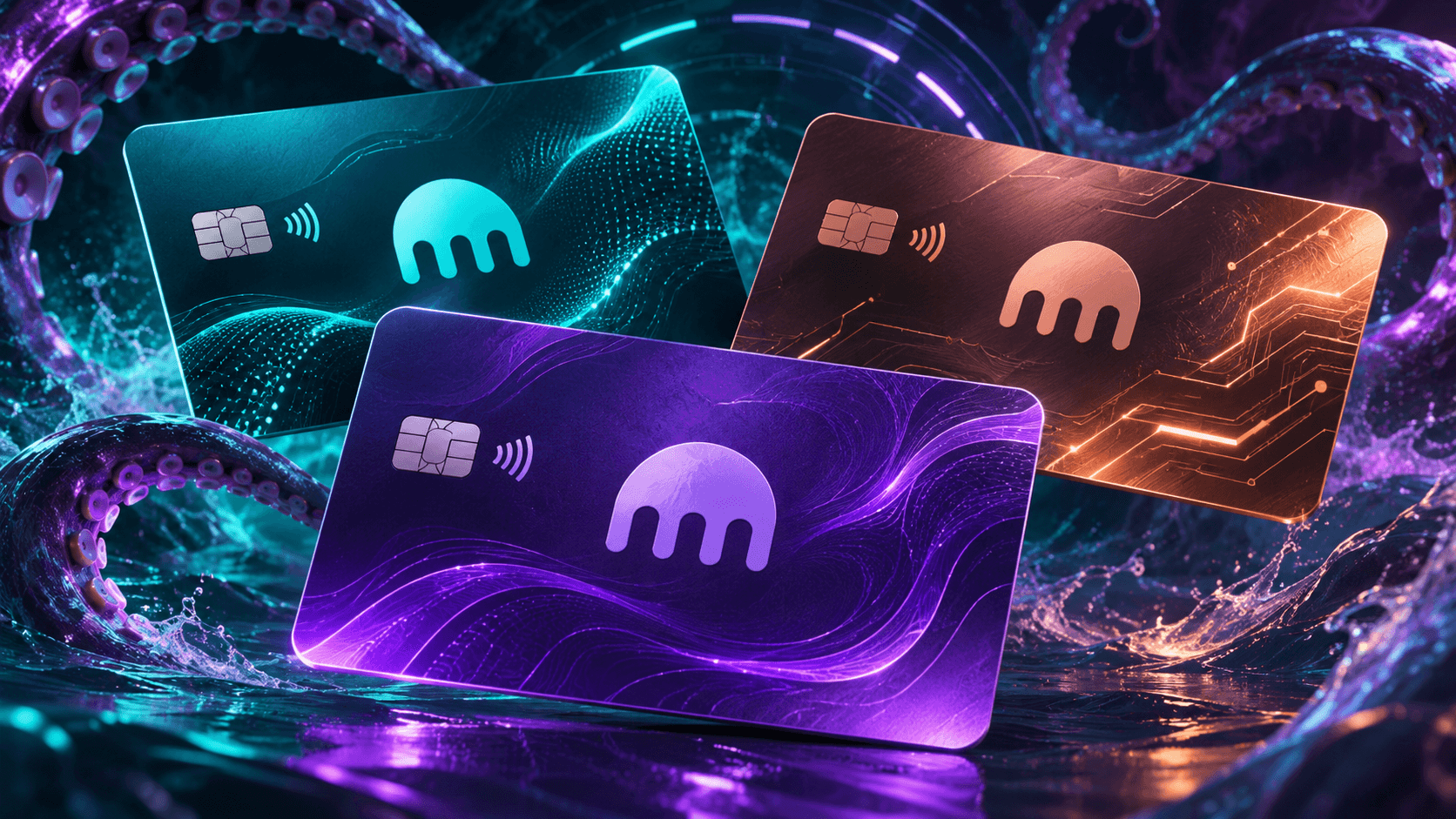
Krak has opened a U.S. waitlist for two credit cards that will let customers take rewards in bitcoin or dollars. Kraken expects the cards to begin shipping in early 2027. One is a conventional credit card. The other requires customers to set aside USDC, a dollar-linked stablecoin, as security for what they borrow.
What it takes to earn 4%
Kraken advertises up to 4% cashback on eligible purchases. The rate depends on the assets a customer keeps on the platform. The higher rewards tiers apply to the first $10,000 in eligible monthly purchases. Spending above that threshold earns the base rate. Cash advances, peer-to-peer transfers and purchases of gift cards are among the transactions excluded from rewards.
Dollars are the default payout, and cardholders can choose bitcoin. That choice affects what happens after a reward arrives. A $10 reward taken in dollars stays denominated in dollars. If the customer takes bitcoin, the dollar value of that reward changes as the price of bitcoin moves.
Both cards require an eligible Krakpass subscription. Krak lists the price at $6.99 monthly or $75.48 a year when billed annually. The membership cost matters when comparing the cashback with another card. For someone who already pays for Krakpass, the calculation differs from someone signing up solely to earn rewards on purchases.
How the USDC deposit works
A secured-card customer chooses a credit line between $350 and $5,000 and locks an equal amount of USDC in their Krak account. A customer selecting a $1,000 line would therefore need to set aside $1,000 in USDC. The deposit backs repayment while the customer uses the credit line and pays the bill.
Locked USDC can earn a variable yield, advertised at up to 4% annually and paid weekly. That rate applies to the deposit. Cashback applies to eligible purchases. A $1,000 deposit earning 4% for a full year would generate about $40 if the rate held, regardless of how much eligible spending the cardholder put on the card. Those earnings do not increase the credit limit.
Customers give up access to the collateral while the account is open. They cannot withdraw or trade the locked assets. Krak says it may sell collateral to cover an outstanding balance if the account defaults or closes. Remaining collateral is released once the account is closed and paid in full.
Who can apply
First Electronic Bank is the planned issuer under a Visa license, with Payward and Cardless offering the program. Applicants must meet credit and eligibility requirements. Krak currently excludes Indiana, Maine, Massachusetts and New York from both cards, and the secured card also excludes the District of Columbia.
The company says it will report credit activity to the three major U.S. credit bureaus. On-time payments can help a borrower build a history, while missed payments can work against them. For now, the waitlist registers interest. Applications have yet to open, and signing up guarantees neither a card nor early access.